

We share plenty of things with the people we care about, but personal hygiene products should have boundaries.
Bath tools like an African Mesh Body Exfoliator, loofahs, washcloths, Korean towel, exfoliating gloves, and body brushes come into direct contact with your skin. Every time you use one, it collects a combination of dead skin cells, natural body oils, sweat, and other residue.
Add a warm, humid bathroom environment to the mix, and you've got conditions that can encourage microbial growth, especially when bath tools stay damp between uses.
Your bath tool deserves a little exclusivity. No sharing!
Why Sharing Bath Tools Is a Bad Idea
You might think, "It's just a little bath sponge. What's the big deal?"
Well, quite a bit, actually. Bath tools repeatedly come into contact with different areas of the body.
Here are a few reasons why sharing your shower essentials isn't the best idea.
It's picking up more than you think.
Your bath tool collects dead skin cells, body oils, sweat, and other residue every time you use it. So, when someone else picks it up, they're getting a little collection of your leftovers, too. And who exactly wants that? 😬
Moisture is not always your friend.
Bath tools get wet every time you use them, and bathrooms are already warm, humid environments. When multiple people share the same bath tool, it may be used again before it has had enough time to dry completely.
Unless you're using an elevated African net sponge called LUV SCRUB, which are easy to rinse and quick to dry. But that's beside the point! Even if your bath tool dries quickly, it should still be yours and yours alone.
The risk.
Bacteria and fungi can transfer through contaminated personal hygiene items. Sharing bath tools can create opportunities for these microorganisms to move from one person to another. Yikes!
If you have sensitive skin, irritation, cuts, or an already compromised skin barrier, exposure to certain microorganisms may be more concerning.
Potential Skin Conditions and Infections Linked to Sharing Bath Tools
Okay, let's get into the not-so-pretty part.
Sharing bath tools doesn't mean you'll automatically develop a skin infection. However, contaminated personal items can contribute to the spread of certain bacteria and fungi.
Here's something else to think about: Not everyone is comfortable talking about their skin conditions, even with family members or people they live with. Some may feel embarrassed, keep their condition private, or simply prefer not to discuss it. So, imagine unknowingly sharing a bath tool with someone who has a contagious skin infection. You may have no idea what's coming into contact with your skin.
That's another good reason to keep personal hygiene products personal. You don't always know what someone else might be dealing with, and they don't owe anyone an explanation about their skin health.
Here are a few skin conditions and infections worth knowing about:
Folliculitis
It happens when hair follicles become inflamed, sometimes due to bacteria or fungi. It can cause red, itchy bumps, tenderness, and sometimes pus-filled spots.
Ringworm
It's a contagious fungal infection that causes circular, red, scaly, and itchy patches. It can appear on different parts of the body and become even more irritating when scratched.
Staph Infections
Staph bacteria can live on your skin without causing problems, but certain strains can lead to infection. Symptoms may include painful, swollen, red areas, boils, and pus-filled bumps. Some infections can become serious and require medical attention.
Impetigo
Impetigo is a contagious bacterial skin infection that causes red sores or blisters, often covered by honey-colored crusts. The sores can be itchy and uncomfortable, and scratching may spread them to other areas.
Athlete's Foot
This fungal infection commonly affects the skin between your toes and on the soles of your feet. It can cause itching, burning, peeling, and painful cracks.
If you notice an unusual rash, persistent irritation, or signs of infection, consult a healthcare professional.
Other Bathroom Items You Shouldn't Share
Bath tools aren't the only bathroom essentials that deserve their own personal space. Here are a few more items you should keep to yourself:

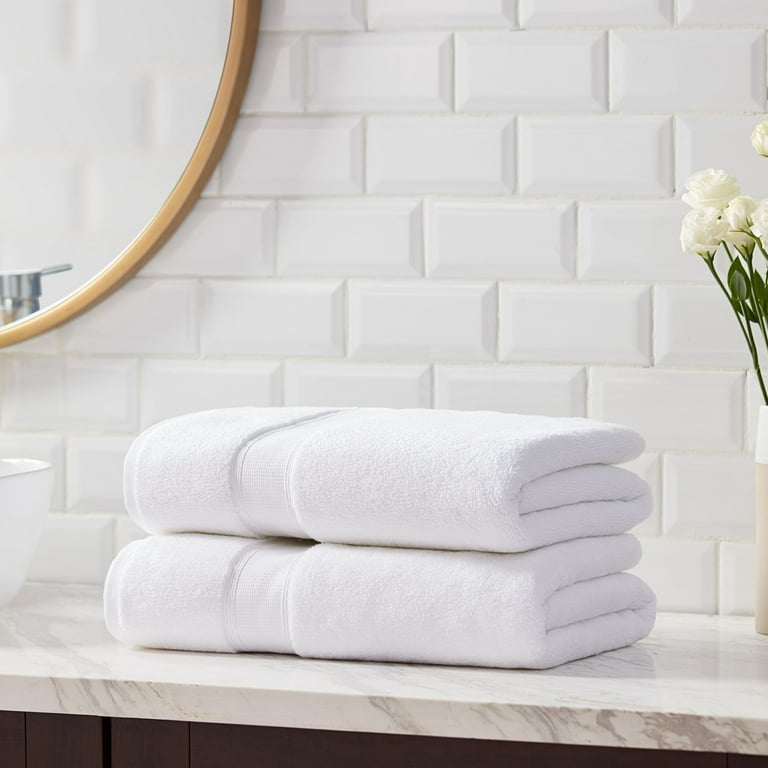


If it comes into direct contact with your mouth or skin, it's better to keep it personal.
Shower Best Practices
Caring for your bath tools clean doesn't have to be complicated. A few simple habits can make a difference:
Rinse after every use. Wash away soap, dead skin cells, and other residue.
Let it dry completely. Hang your bath tool in a well-ventilated area instead of leaving it in a wet pile or enclosed space.
Wash it regularly. Follow the care instructions for your specific bath tool. If you're using a LUV SCRUB, also known as a "Sapo" or an African sponge, wash with hot water and air dry. Machine washing is possible but not recommended.
Don't share. Even when your bath tool looks clean, keep it personal.
Check its condition. If it starts looking worn, damaged, or difficult to clean, it's time to replace it.
Keep everyone's products separate. If you share a bathroom, give each person their own designated space or storage hook for bath tools, towels, and other personal care items. You can even use different colors to make it easier to tell whose is whose. No mix-ups, no accidental sharing!
Choosing the right bath tools is just as important as knowing not to share them. Some bath tools are more prone to bacterial buildup than others, so it's worth knowing what to look for when choosing your shower essentials. For more insight, check out our previous blog, "Why Do Certain Bath Tools Breed Bacteria?" and discover why LUV SCRUB reigns above the rest!
Final Thoughts
Sharing is thoughtful, generous, and all that good stuff. But when it comes to bath tools, this is one thing you should keep to yourself!
Your bath tool is part of your personal hygiene routine, so treat it that way. Rinse it after every use, let it dry properly, and most importantly, don't pass it around.
And if you're choosing a bath tool to call your own, why not choose one that is like no other? Choose the original and authentic LUV SCRUB African Mesh Body Exfoliator. It cleanses and exfoliates the skin, creating a smooth canvas for oils and butters to soak in. We have an amazing collection to choose from. You can have fun picking your favorites, matching them to your bathroom aesthetic, or even switching things up whenever you're in the mood. After all, your shower essentials deserve a little style, too!

LUV SCRUB African Mesh Body Exfoliator
Share the LUV by gifting your loved ones a LUV SCRUB. It's very possible they're borrowing yours, so surprise them with one of their own!
More LUV SCRUB Blogs For You:
Hard Water in the Shower: Effects on Skin and Shower Routine
Keratosis Pilaris 101: What Causes Those Tiny Bumps and What Helps
Can Women With Melanin-Rich Skin Use Spray Tans and Self-Tanners?
LUVSCRUB is the original mesh body exfoliator. An enhanced version of the authentic African net sponges used for generations. Shop for yours here and say hello to smoother, softer skin. Tell your friends! (You can thank us later).